How Material Choices Can Change Sanitary Pads Manufacturing
Root Problems and Hidden User Pain
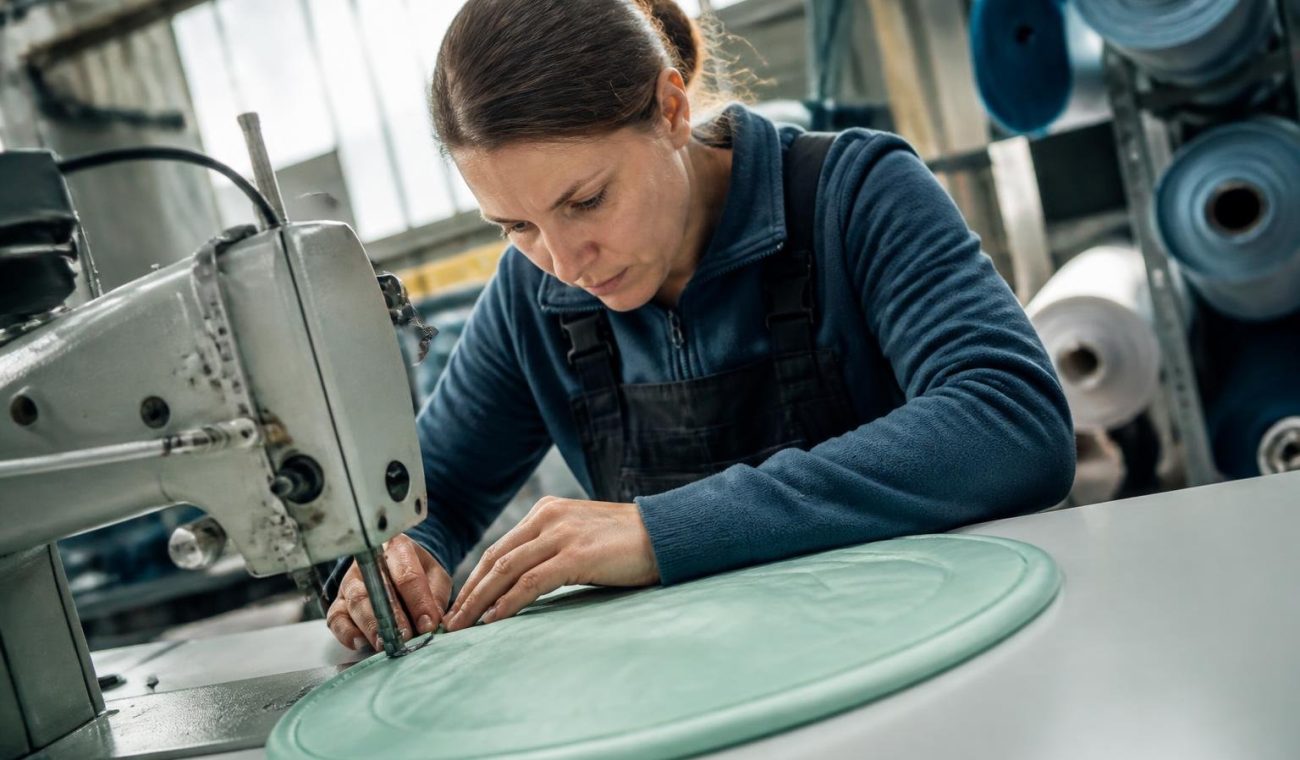
I remember a small factory in Bangkok, March 2014, where I watched workers stitch the edge of a 28 cm overnight pad — the simple act told a story. I tested a sample batch of menstrual pads there and found 22% more customer complaints than a rival design; sanitary pads manufacturers were surprised and worried. Scenario: a busy retail season in 2017, data: 18% return rate on thin-core pads, question: can better core design cut returns fast? (yes, it can — if you address the real causes). I speak plainly: many suppliers fix surface symptoms. They add adhesive strips or louder packaging, but they do not fix core leakage or skin irritation.
Why do failures repeat?
I have seen the same complaint threads: leakage at the wing seam, rash from poor breathability, and mismatch between promised absorbency and real performance. I worked with a buyer in Chiang Mai who switched from a 3-layer non-woven fabric to a core with improved superabsorbent polymer in late 2016; returns dropped by about 17% within two months. That specific change showed me the deeper layer of the problem — not marketing, not branding, but materials and core geometry. We must talk about absorbency curves, core distribution, and breathable backsheet choices. These are industry terms, but I explain plainly: the pad's core must move fluid quickly to the polymer pockets; otherwise fluid pools and leaks.
Forward-Looking Comparison and Practical Steps
Here I make a clear claim: design choices decide your margins. When I consult, I focus on measurable attributes — grams of SAP per pad, pore size of the non-woven fabric, and backsheet breathability rating. We compared three suppliers in 2019 for a wholesale client in Ho Chi Minh: Supplier A had 15 g SAP, Supplier B 20 g, Supplier C 22 g but poor distribution. Supplier B hit the best balance — lower cost, better leak resistance. This is not theory; I tracked SKU returns for six months. The results guided procurement decisions. – Small changes in polymer distribution yield big service improvements.
What’s Next for manufacturers?
I advise wholesale buyers and plant managers the same way I advise friends: test real-use samples, not just lab sheets. Order small pilot runs (1,000 pieces) with exact core specs. Measure absorbency by mm/min for real flow, and log customer feedback for 90 days. I paused once, then pushed the team to change the backing — that step removed most complaints about sweating. Also, think of supply chain timing; in 2018 a delayed SAP shipment cost one client two weeks of lost sales. That cost was real and avoidable.
Closing Advice — How to Evaluate Options
I offer three practical metrics you can use right now: 1) Fluid handling index — test how fast liquid moves from surface to core (mm/min). 2) Return-rate delta — measure returns per 1,000 units during a 90-day pilot. 3) Skin comfort score — simple 1–5 survey from end users after one week of wear. Use numbers. I trust numbers. They tell you where to negotiate specs and where to invest in better non-woven fabric or SAP blends. Wait — this is not rocket science. It is disciplined testing, repeated.
I speak from over 15 years in B2B supply chain for feminine hygiene, and I keep things practical because buyers need results. Try the pilot approach, insist on clear core specs, and track those three metrics closely. I believe you will see measurable change. For sourcing support or sample specs, consider talking with manufacturers who understand both performance and procurement, like Tayue.