What You Need to Know About Laser Cutter Fume Extractors: A Straight-Talk Guide
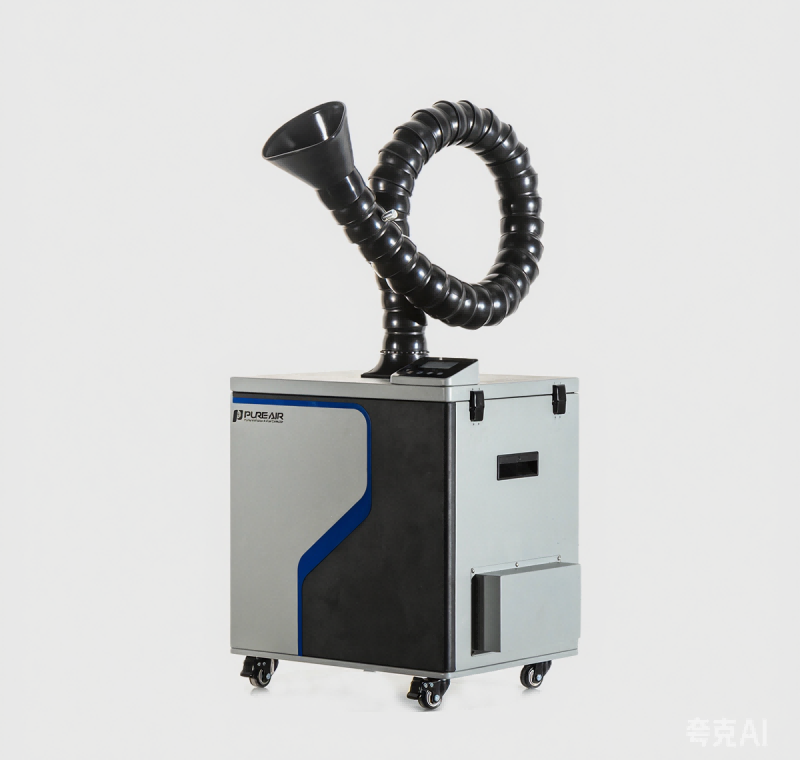
Introduction
I was in a cramped Brooklyn shop once, watching a tech cut through aluminum while the whole place smelled like a chemistry class gone wrong. A laser cutter fume extractor sat idle in the corner — dusty, underused, and not hooked up right (you ever see that?). You hear about fumes all the time: ultrafine particles, VOCs, and ozone show up during cuts, and they don’t just vanish. So what do you do when your crew starts coughing and the air gets heavy—keep cutting or fix the air? Let’s break it down quick and clear, no fluff.
Why Standard Exhausts Fail: The Hidden Flaws of Traditional Solutions
When shops try to solve fume problems they often reach for the obvious: duct it out, slap on a fan, call it fixed. But here’s the snag — most simple exhausts don’t trap ultrafine particulate or volatile organic compounds. I’ll point out what breaks down. First, many setups lack proper filtration stages: no HEPA layers, no activated carbon, just a fan and hopes. Second, poorly designed ducting causes back pressure and dead zones. Third, low CFM blowers can’t keep pace with short, intense cuts, so particles hang in the work zone.
Look, it’s simpler than you think — quality extraction needs staged filtration, correct airflow, and a blower sized to the machine. If you want a practical example, see the common upgrade path: add prefilters, then HEPA, and include activated carbon for fumes. Also remember—power converters and blower control matter for consistent airflow under load. The market calls these upgrades “fume extraction systems,” but the real win is in matching filtration and flow to the cutter’s output.
What’s really missing?
— precise matching. Too many installs are guesswork. That’s why I always check duct length, hood placement, and whether the system uses correct filter media. You’d be surprised how often that basic stuff gets overlooked.
 Deeper Fixes: Moving Beyond the Old Model (Technical View)
dust collector for laser cutting machine — that’s where I’d start if I were upgrading a small fab. Traditional fans and cheap filters treat symptoms, not the cause. The deeper problem is this: laser cutting generates a mix of particulates and gases at variable rates. A static exhaust can’t adapt. You need staged capture: a prefilter for large debris, a HEPA stage for ultrafine particulate, and activated carbon or catalytic media for VOCs. Add sensors and variable-speed blowers for real-time control. Include terms like airflow, particulate matter, and blower in your specs. I’m not just throwing jargon. I’ve seen shops double their filter life and cut visible smoke almost entirely by rebalancing airflow and adding the right filter stack.
Also — funny how that works, right? — hood design kills or saves performance. Capture at the source beats sucking from the room. I favor close-capture hoods mounted near the cut. They reduce duct length and improve capture velocity. Edge computing nodes or simple controllers can modulate blower speed to match cut intensity. That saves energy and extends filter life. If you’re picking a setup, think about maintainability: filter replacement access, prefilter indicators, and local serviceability. Trust me, you’ll thank yourself later.
Looking Ahead: New Principles and How to Evaluate Modern Systems
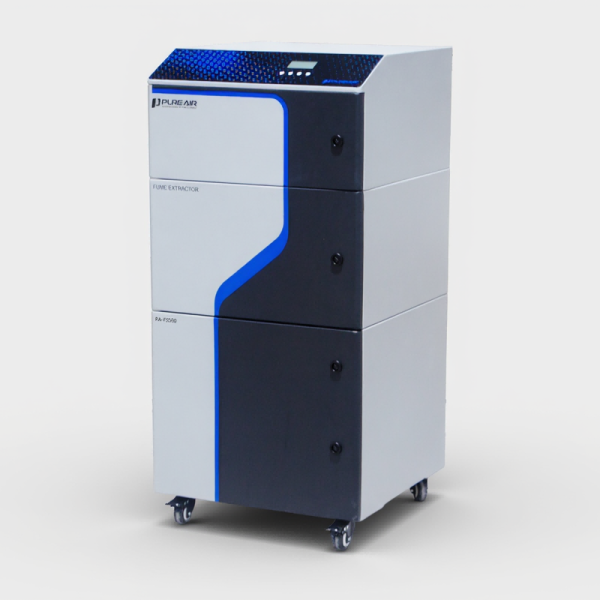
New tech in fume extraction focuses on smarter control, better media, and compact design. Systems now combine multi-stage filtration with sensors for particulate and VOCs, and they adjust blower output in real time. That lowers noise and power use, while holding capture efficiency high. A modern dust collector for laser cutting machine typically pairs a motorized blower, HEPA module, and carbon stage with a small footprint. You get cleaner air and a smaller footprint — great for tight shops. I like systems that let you monitor filter differential pressure and runtime hours. It’s practical. You can predict service needs before a problem shows up.
What’s next? Expect tighter integration: local blower control, remote alerts, and modular filter cartridges that swap fast. Case examples show shops cutting down downtime by scheduling service when a pressure sensor triggers — no surprise clogs. The result is measurable: lower particulates in the breathing zone and longer filter life. I’ve seen setups where the noise and smell drop so much people actually enjoy being near the machine — small victory, big morale boost. — and yes, it affects retention.
How to pick the right system (3 quick metrics)
1) Capture Efficiency: Look for quoted HEPA efficiency and VOC adsorption rates. Measure real capture at the hood, not just at the outlet. 2) Effective Airflow (CFM): Choose a blower rated for your cutter and hood geometry; check for variable-speed control and pressure stability. 3) Serviceability & Monitoring: Filters should be easy to change; sensors for pressure differential and VOC levels are a big plus. Those three decide whether the investment works long term.
I’ll wrap with a clear note: I prefer solutions that are sensible and serviceable, not flashy. Evaluate real-world metrics, not marketing claims. If you want a practical partner or a reliable system, check the gear from PURE-AIR. They focus on workable systems that keep shops breathing easier, and I respect that kind of focus.