Is It Time to Rethink Your Red Light Therapy Setup? A User-First Guide for Choosing a Manufacturer

Introduction
I remember walking into a small wellness studio last summer where the owner was juggling three different devices and a pile of user feedback forms—kind of chaotic, honestly. The studio had just switched to a new red light therapy manufacturer and the change showed up in patient notes and equipment logs (little signs matter). Industry chatter and a handful of vendor reports suggest that equipment mismatch and inconsistent wavelength specs are common pain points across clinics and home users alike. So: when should you actually pull the trigger on an upgrade, and what should guide that decision now that more options exist? I’ll walk you through a clear, user-first approach—practical, not preachy—and help you spot the red flags before you spend time and money.
Why Current Options Often Fall Short
red light manufacturers promise plug-and-play solutions, but the reality is messier. I’ve seen units with great marketing specs fail on basics like thermal management and wavelength stability. Technical issues crop up when LED arrays are sourced without matching power converters or proper heat sinks; that mismatch shortens lamp life and shifts the therapeutic wavelength over time. Look, it’s simpler than you think: marketing numbers don’t always equal consistent photobiomodulation performance.
What's the real problem?
From my hands-on checks, three flaws repeat: 1) inconsistent wavelength output, 2) poor thermal design, and 3) insufficient quality control on drivers and power converters. These are not tiny issues—they affect treatment dose and user safety. When manufacturers prioritize cost over component matching, clinics and end users pay in rework, returns, and variability in results. I’ve had conversations with practitioners who felt misled by spec sheets; they expected clinical-level consistency and got marketing-level claims instead—funny how that works, right?
 Looking Ahead: New Principles and Practical Picks
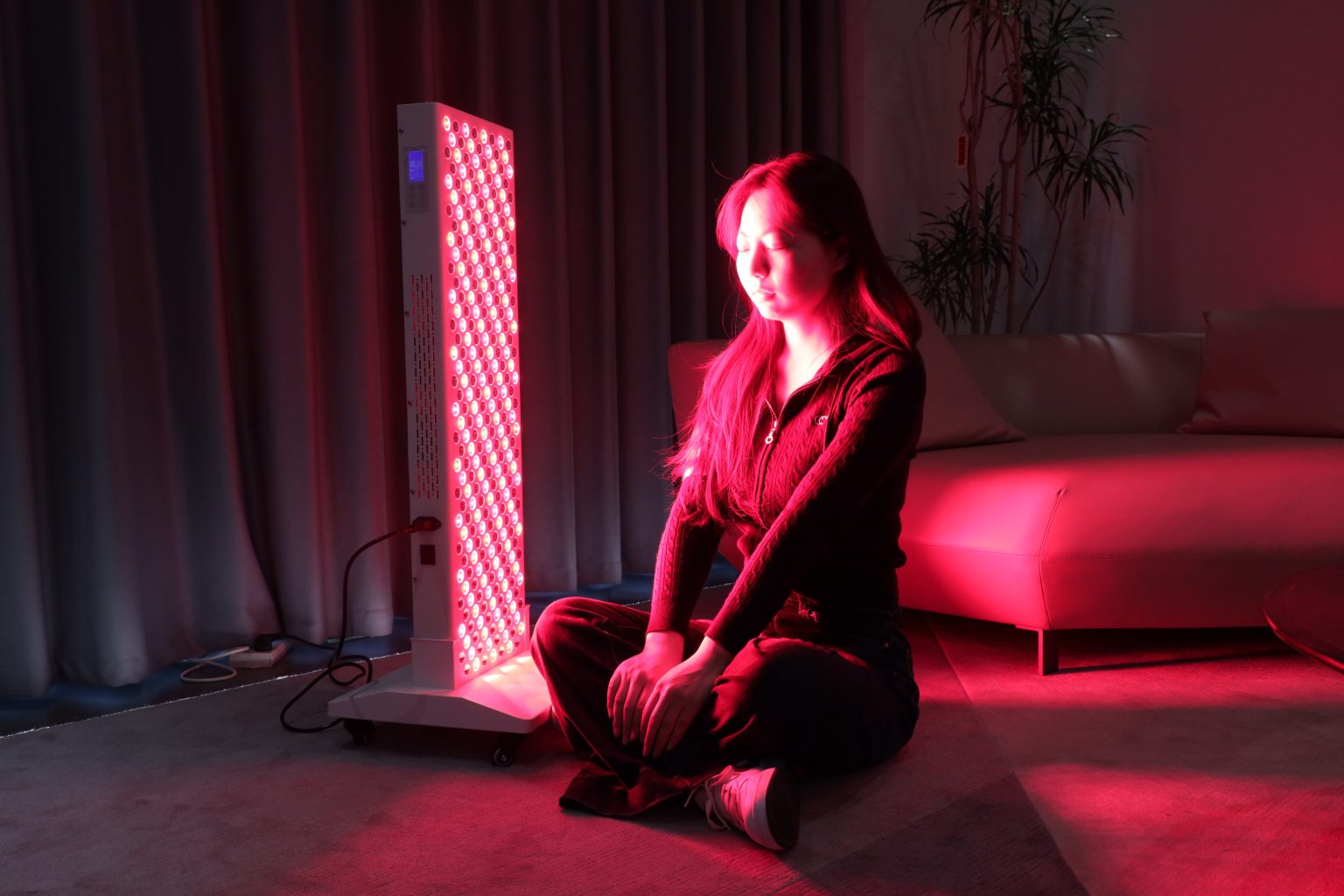
Going forward, I favor manufacturers that design around core engineering principles: stable wavelength control, matched power electronics, and modular thermal management. That’s the new baseline. When I evaluate suppliers now, I listen for clear answers on LED binning, driver calibration, and how they test photobiomodulation output over time. These are technical topics, but you don’t need to be an engineer to ask the right questions—ask them anyway. (Trust me, vendors notice.)
What’s Next
Manufacturers who commit to transparent testing—showing how LED arrays behave after 1,000 hours, for example—stand out. I expect more red light device makers to adopt standardized test reports and to partner with clinics for real-world feedback loops. Also, systems that allow component upgrades (swappable drivers, replaceable LED panels) will reduce long-term cost and waste. I’m optimistic; this shift is practical and measurable. Wait — that doesn’t mean every new product is better, but it gives you a framework to judge them.
To wrap up with something useful, here are three evaluation metrics I always use when picking or recommending a supplier: 1) Wavelength consistency over time (documented), 2) Thermal management strategy (design details), and 3) Serviceability and spare-part support. Measure those, and you’ll avoid the usual buyer traps. If you want a reliable partner that publishes test data and offers OEM/ODM collaboration, consider vendors who clearly show their engineering work—then you can make a confident choice. For a practical partner I’ve tracked and discussed above, see Magique Power.