Practical Garden and Home Enhancement for Every Season
Discover balanced care for home improvement, interior touches, gardening, and decor through practical, seasonal strategies that blend outdoor spaces with indoor comfort.
Seasonal Planning for a Cohesive Home and Garden
Seasonal planning anchors both garden vitality and interior comfort, guiding how we allocate time, budget, and attention across spaces. Start by mapping sun exposure, soil quality, and available tools to a simple calendar that staggers tasks like pruning, mulching, and indoor decor refreshes. A thoughtful approach reduces last-minute chaos and creates a steady rhythm between outdoor care and home improvement projects. smart lawn mower helps maintain lawns without overburdening weekends, freeing time for creativity inside the home.
Pair seasonal outdoor goals with interior adaptations that reflect ongoing gardening outcomes. For example, plan living areas around windows that frame seasonal blossoms, or designate a corner for repurposed pots and seed trays as decor accents. Coordination across spaces supports sustainable decor, efficient storage, and a calm, cohesive atmosphere that feels intentional rather than assembled ad hoc.
Soil, Water, and Plant Selection
Healthy soil begins with testing and amendment, which informs planting choices that align with climate and moisture patterns. Build a simple regimen: test every two to three years, amend with compost, and select plants that tolerate your local rain and drought cycles. This approach reduces waste, protects water resources, and yields a thriving landscape that supports both edible crops and ornamental highlights in decor schemes.
Water management ties directly to plant health and home aesthetics. Install a rain barrel or smart irrigation controller to minimize waste, then group drought-tolerant species near hot exposures and more water-needy varieties where irrigation is plentiful. When selecting varieties, think about color, texture, and seasonal interest to maintain an appealing garden that complements interior color palettes and decor touches throughout the year.
Space Planning: Outdoor Rooms and Indoor Flow
Create outdoor rooms by layering seating, shade, and focal plantings to extend living spaces toward the yard. Use low-maintenance, weather-resistant furniture and durable textiles to sustain a welcoming vibe through rain and sun alike. Consider visual connections—pathways, borders, and seating alignments—that mirror interior layouts, strengthening the sense of flow between home improvement efforts and garden enjoyment.
Interior decisions should reflect outdoor experiences. Bring in natural textures, plant motifs, and organic colors through fabrics, rugs, and lighting that echo the garden’s seasonality. A cohesive interior plan that nods to the garden’s rhythm improves mood, reduces clutter, and makes daily life feel smoother, whether cooking indoors or entertaining on a patio that doubles as an extension of the home.
Lighting for Mood and Function
Lighting shapes how both garden and interior spaces are perceived after dark, influencing safety, ambiance, and energy use. Start with layered lighting: task lights for work areas, ambient accents for evenings, and path lighting to guide foot traffic. Dimmer switches and solar-powered options reduce energy costs while enabling flexible mood settings that complement home improvement projects and nighttime gardening tasks.
Seasonal lighting adjustments keep spaces welcoming year-round. Soft warm tones in autumn and winter create cozy interiors that echo outdoor textures, while bright cool tones in spring highlight fresh foliage and new decor ideas. Thoughtful lighting choices unify indoor decor with the garden’s evolving palette, making the home feel unified rather than compartmentalized by season.
Container Gardening as Decor Touchpoints
Container gardening offers portable color and texture, bringing garden charm to porches, entryways, and indoor spaces. Choose a spectrum of pots in varied sizes and materials to create visual rhythm, then rotate plant selections to reflect seasonal decor shifts. Regularly refreshing containers keeps the exterior looking intentional and complements interior decor that emphasizes seasonal palettes and natural materials.
Incorporate edible containers alongside ornamental ones to merge gardening with home improvement goals. Herbs on a balcony, compact tomatoes by a kitchen window, and flowering annuals in entryway planters create a living display that evolves with the home’s interior decor. This approach provides immediate reward and ongoing opportunities to learn about plant care and design balance.
Composting and Waste Reduction at Home
A robust composting routine reduces waste while enriching garden beds and potted plants. Start with a simple two-bin system, layering greens and browns, and monitor moisture and aeration to prevent odors and pests. The resulting compost supports healthier soil structure, nutrient availability, and a sustainable loop that aligns with responsible home improvement habits and interior choices that prioritize natural materials.
Repurposing garden byproducts can influence decor choices, too. Dried stems become rustic stems for arrangements, shredded leaves enrich mulch, and seed catalogs spark color stories that inform interior textiles and wall art. This circular approach blurs the line between garden care and interior decoration, reinforcing a lifestyle that treats waste as a resource rather than a problem.
Maintenance Mindset and Habit Formation
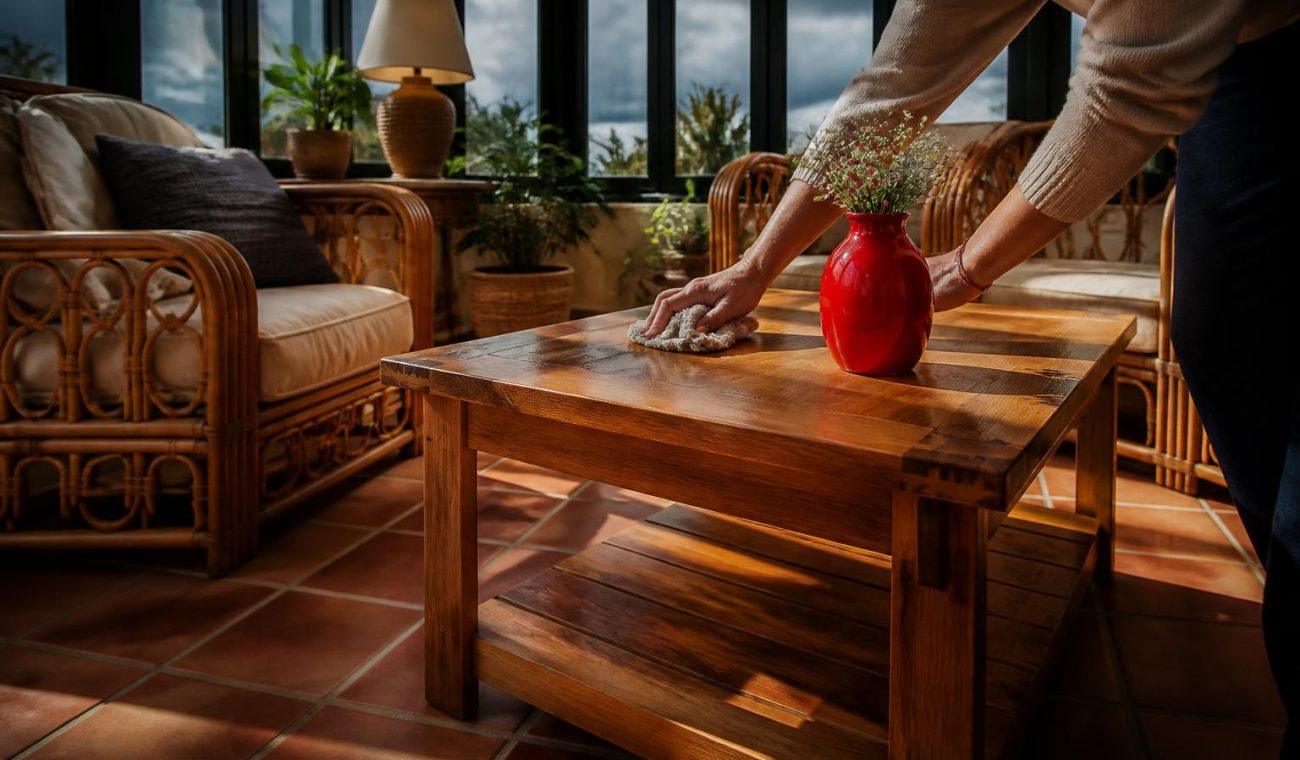
Sustainable maintenance rests on consistent, manageable routines rather than sporadic bursts of effort. Break tasks into weekly 20-minute sessions: quick weeding, pruning, sweeping, and a quick home clean that also addresses outdoor spaces. This rhythm prevents backlog in both the garden and the interior, ensuring that decor, plants, and surfaces stay orderly with minimal stress.
Before bed, perform a short walk-through to note emerging issues: pest pressure, water needs, or signs of wear on outdoor furniture and indoor fabrics. Documenting observations helps refine future planning, budgeting, and ordering, turning maintenance into a proactive habit rather than a reactive chore that undermines the home’s overall harmony.
Texture and Texture: A Final Note
- Choose natural materials like wood, stone, and linen to blend indoors and outdoors.
- Incorporate plant-driven color stories into textiles, wallpapers, and decor accents.
- Use scent and sound elements, such as herbs and water features, to deepen the sense of place.